What is your relationship with activism?
February 23, 2020
As per chapter 2 of Girls Feminist Blogging in a Postfeminist Age, I agree with Madison that “an activist is anyone who works towards any kind of societal change”. My personal definition of activism builds off of that main idea. I would define activism as publicly expressing your values on a particular subject and making efforts to change society in order to fit those values. I noticed the definitions in the Keller reading were more all-encompassing and did not put emphasis on public declaration of views or protesting, but I find this to be an important part of how I define activism. I do not think that just having views and acting silently, like donating to a campaign or signing a petition, makes you an activist. I think to be an activist you need to be in a position to inspire others and you need to put your views on public display. I think activists need a public platform, such as social media or protests or other internet or physical gatherings, in order to express their views and get other people on board.
Like Keller, I do also think that activism is inherently political. When I picture an activist, I picture someone who goes to protests like the women’s march and posts about it on social media and is knowledgeable in the current politics of the matter. This image I have really only highlights one form of historically recognized activism, protest activism, and I think this is what comes to mind because it has been publicized and utilized so often in my lifetime. I never picture children, or those below the upper-teen years, as activists because I associate activism so heavily with politics, which the chapter highlights as well. Unlike the girls Keller talked to in the chapter, I do associate activism with women mainly because of the women’s march. This was such a publicized and important part of my young adult introduction to politics that it has imprinted on me an idea of what an activist looks like as female, or at least equally male and female. I do not picture strictly males as activists, and I think this is largely due to the media coverage of protests in the last 5 years and the upbringing I had.
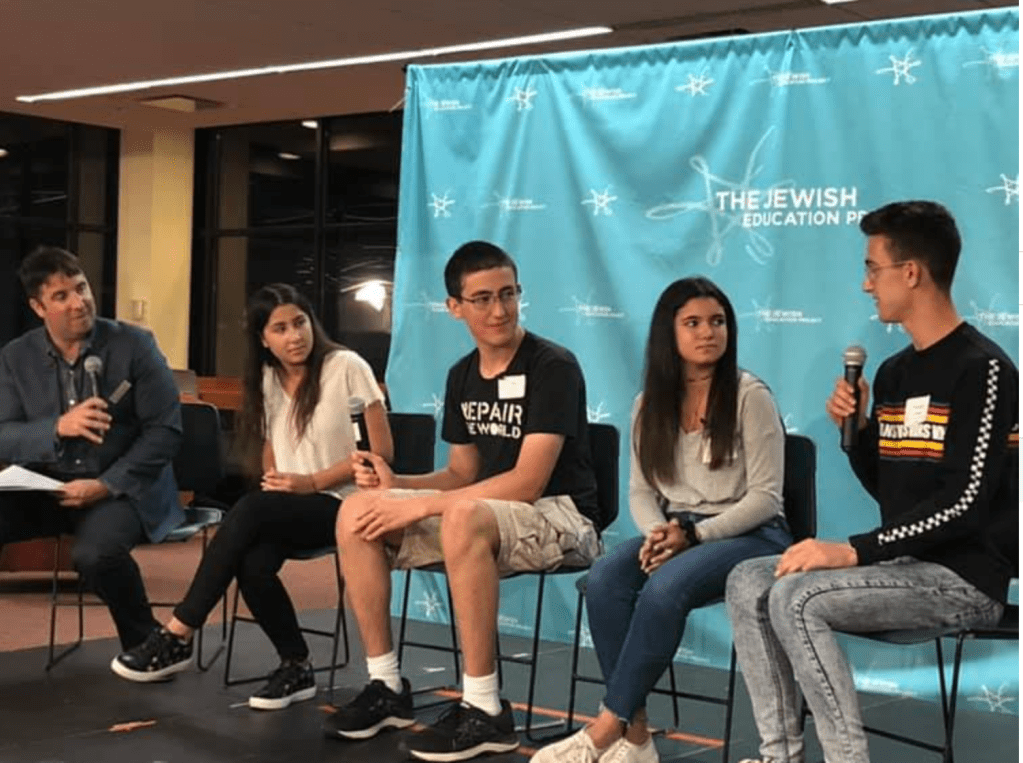
My family is heavily involved in politics. My grandfather was a US Congressman and founded the environmental law branch of Pace Law School. Many of my uncles and aunts went to law school as well and are public interest lawyers. I personally have never been interested in law or politics and I find it quite overwhelming. I also do not consider myself an activist. I have opinions and values that require societal change and I do small things to contribute to these causes, however, I do not go to protests or publicly incite any change or voice my opinions. The closest I have ever come to being an activist was when I lobbied in DC with my Temple. As I discussed previously, my temple was heavily involved in social justice causes and making the world a better place. I grew up in Westchester in a very white, liberal, and privileged area. My temple acknowledged this and urged us to use our privilege and our knowledge as youths to fight for a better world. We went to Congress and learned how to do research and lobby and ultimately ended up talking to our state senators about stem cell research funding and how it aligned with our values as Jews and as young adults. Being personally involved in politics like this was incredibly intimidating for me.
I have great respect for activists, especially young female activists and any activists who are coming from a place where it may be dangerous or highly controversial for them to voice their opinions, such as trans people and people of color. There is a girl from my high school who was recently listed as one of Forbes 20 under 20 who uses her place of white middle class privilege to bring sex work and sexual education into the light and discuss incredibly important societal issues surrounding gender and sexuality in a magazine she created as well as on her social media platforms. I have a lot of respect for her and I appreciate what she is doing for the global community. I personally am not comfortable using my social media or dedicating my life to social change. I do feel strongly about various causes and I do what I think is important, such as voting and donating to campaigns and switching out single use plastics in my household, but I do not feel comfortable putting my personal views out into the open to be judged 24/7. I have a lot of anxiety about posting on social media and what I think is “appropriate” or “good enough” to post, so I do not think I would be a strong activist using these mediums.
I would consider lobbying again or going to protests “offline” rather than online because I think it is important to have a large presence to draw media attention at protests or to directly make change where it counts in the law. Since I would not be starting any of these movements or getting others involved, I still do not think my attendance at these events would make me an activist. I also think I do not need to personally be an activist to support a cause, and I can still be able to contribute and make a difference. The chapter talks in depth about how blogging is an accessible form of activism for girls, and I agree, but I think many girls and many other people struggle with anxiety pertaining to social media, and that blogging and being so open online can be very scary. I think that for those who are not able, willing, or interested in being activists, it is still important to contribute in some way or another within your own comfort zone to causes you care about and to follow blogs or other media that allow you to stay informed and push your boundaries without needing to contribute if that is not something within your comfort zone or personal interest.
References
Girls’ Feminist Blogging in a Postfeminist Age by Jessalynn Keller
 Science Student in a Cinema Class